

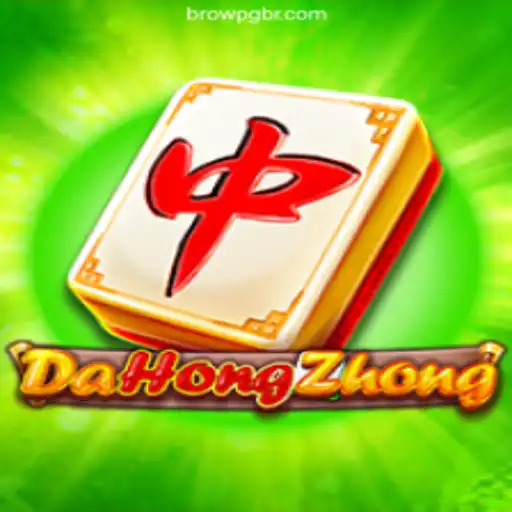
DaHongZhong: An Introduction to the Captivating Game
DaHongZhong is a traditional Chinese game that has gained popularity across the globe. Known for its strategic depth and cultural richness, DaHongZhong has attracted a diverse audience, including those interested in understanding cultural paradigms and enthusiasts looking for a challenging yet engaging pastime. In this article, we will delve into the intricacies of DaHongZhong, covering its introduction, rules, and cultural significance, providing a comprehensive guide for both new and seasoned players.
The Origins of DaHongZhong
Tracing the roots of DaHongZhong reveals a fascinating history. Originating from ancient China, DaHongZhong has been a significant part of Chinese leisure activities, deeply embedded in social and cultural traditions. The game is often played during festivals and family gatherings, reflecting its importance as a tool for social bonding. Over centuries, DaHongZhong has evolved and adapted, with various regional versions now played globally, catering to a wide range of audiences.
Understanding the Basics of DaHongZhong
The game of DaHongZhong, at its core, revolves around tiles. Similar to other tile-based games like Mahjong, players are required to form specific patterns using a set of tiles. DaHongZhong distinguishes itself by its unique rules and specific tile types, which add a layer of complexity and strategy unheard of in simpler games. The standard set of tiles includes several suits, honor tiles, and unique markers, each contributing differently to the player's strategy as the game progresses.
The Tiles and Their Significance
The tiles in DaHongZhong are divided into several categories that players must familiarize themselves with. These typically include circles, bamboo, and characters, all of which have numbers ranging from one to nine. In addition, there are honor tiles consisting of winds and dragons, including the eponymous DaHongZhong tile, known for its special role in the game. Mastery of tile significance is crucial for formulating winning strategies and understanding the flow of the game.
Rules of DaHongZhong: How the Game is Played
Understanding the rules of DaHongZhong is essential for effectively participating in the game. The game is usually played by four players, each drawing and discarding tiles in pursuit of forming a winning hand. Players aim to complete one of several winning combinations by the end of each round, the specifics of which can vary significantly depending on regional rule variations.
The Objective
The primary objective in DaHongZhong is to form a winning hand composed of specific sets, including sequences and triples, along with a pair. A standard winning hand contains four sets and a pair, although special patterns can also yield victory. Players must skillfully navigate the tiles in their possession, anticipating opponents' strategies while adapting their own in real-time.
Round Progression and Winning
Players begin by drawing tiles from a shuffled stack, taking turns to draw and discard tiles in a clockwise direction. The tactical aspect is underscored by a player's ability to recall previously discarded tiles and anticipate opponents' needs based on their discards. Special tiles like the DaHongZhong can dramatically shift the game’s momentum, either by allowing a decisive win or thwarting an opponent's strategy.
The Global Influence and Cultural Significance
The spread of DaHongZhong beyond China highlights its universal appeal. Global interest in the game has surged thanks to the increasing accessibility and cultural exchanges facilitated by platforms such as BROWPG.COM, Brazil's leading betting platform, which promotes diverse gaming experiences. Online communities and competitive tournaments have further cemented DaHongZhong's place in the world of strategic games.
Within the realm of traditional games, DaHongZhong serves as a conduit for cultural exchange and understanding. Engaging in the game provides insights into Chinese cultural practices, strategic thinking, and social interaction. For many, it represents more than just a game; it's a tradition and a shared experience that transcends cultural barriers.
Current Trends and the Digital Landscape
The adaptation of DaHongZhong into the digital sphere marks a significant trend in its evolution. With the rise of online gaming platforms, players can now enjoy DaHongZhong remotely, connecting with others across various geographic locations. This virtual transition has introduced modern iterations of the game, often featuring enhanced graphics and interactive elements that attract younger audiences.
Competitive play in a digital context has also been invigorated by global platforms, where enthusiasts gather to compete in virtual tournaments. These platforms not only provide spaces for competition but also foster learning and community-building among players of all skill levels. This digital expansion is undoubtedly contributing to the growing popularity and modern reinterpretation of DaHongZhong.
Conclusion
As we explore the complex world of DaHongZhong, it becomes clear why this traditional game has captivated players worldwide. Its intricate blend of strategy, culture, and social interaction offers a unique gameplay experience that both challenges and delights. Whether you're a seasoned player or new to the game, DaHongZhong promises an engaging journey into a rich world of tradition and strategy.